CeylonFarer writes independent Sri Lanka travel guides for people planning a first trip to the island. There is no tour desk behind this site and no operator pays for a mention here. Every guide starts from a question travellers actually ask before they book: how to get from the airport to Kandy, how many days a loop really needs, which coast stays dry in July, and what a day on the road costs in rupees.
The guides are written for travellers arriving from the United Kingdom, the Gulf and Africa, which shapes what they cover. Long-haul arrivals land at different times of day, currency and card habits differ, and the practical questions that matter most are the unglamorous ones: transfers, timetables, cash, and whether a plan survives a delayed flight.
Start with the guide that answers your question
Four guides carry most of the work on this site. Each one is a hub: a long, maintained page that gathers the detail for one part of trip planning, with shorter articles branching off it.
- Getting around Sri Lanka compares trains, buses, tuk-tuks, private drivers, ride-hailing apps and domestic flights by speed, cost and comfort, leg by leg. It is the page to read before deciding how you will move.
- Sri Lanka itinerary sets out routes by trip length, from five days to three weeks, so you can match a route to the time you have rather than stretching a plan that does not fit. Start here if your dates are already fixed.
- Best time to visit Sri Lanka works month by month and coast by coast. The island has two monsoons, so the honest answer to when you should go depends on which side you are heading for.
- Sri Lanka currency and money covers cash, cards, ATMs, exchange rates and what to do when a machine declines you on a Sunday, which turns out to be a far more common problem than the guidebooks admit.
Four decisions that shape the trip
Almost every Sri Lanka plan comes down to the same four choices, and they are hard to make in isolation.
How long you have. Trip length decides the route before anything else does. A short trip suits one coast and the hill country. Three weeks is roughly the point at which the cultural triangle, the hill country and both coasts stop feeling rushed.
Which season you travel in. Pick the month and the coast together. Travelling during the south-west monsoon months is not a mistake if you spend them on the east coast, where the weather runs the other way.
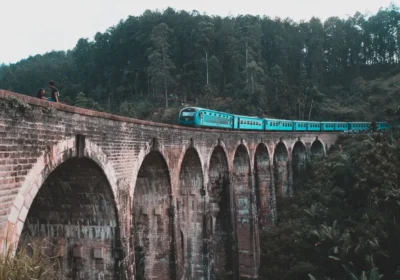
How you move between stops. Sri Lanka’s rail network is slow, scenic and cheap. Its roads are faster but far more tiring. The compromise most travellers land on is trains for the hill country and a car with a driver for everything else.
What you spend. A travel budget breaks into transport, accommodation, food and entry tickets, and transport is the part first-time visitors underestimate on the long days between regions.
How these guides are researched
Fares and timetables come from the operators themselves: national railway and bus fare notices, published schedules, airport and immigration pages, and prices read from the businesses that charge them. Where a route is measured for the guides, the method is stated on the page.
Not every figure can be confirmed. When a price is unverified, the guide says so and names where the reader should check it. Nothing here invents a fare, a statistic or a source, and nothing is presented as current unless it has been read recently.
The guides are revisited as schedules and prices change. If you find something out of date, the contact page is the fastest way to flag it, and the correction is made to the guide itself rather than buried in a comment thread.
What this site does not do
CeylonFarer does not sell tours, run a booking desk or accept payment for a ranking. There are no sponsored destination round-ups and no affiliate-driven best-of lists. The advertising and affiliate arrangements are disclosed in full on the affiliate disclosure page, and the standards these guides are held to are set out in the editorial policy.
If you are starting from nothing, read the itinerary hub for the shape of a trip, the transport hub for the detail of moving around and the season hub for the timing. Those three answer most of what you need to settle before you book anything.